A Curated Specification Directory

Handmade artisanal candies that taste like childhood

Copper kettles, marble slabs and a marble-cooled batch of taffy pulled by hand. This directory examines the old-fashioned American confections that carry a grown-up's memory of a corner store, one careful batch at a time.

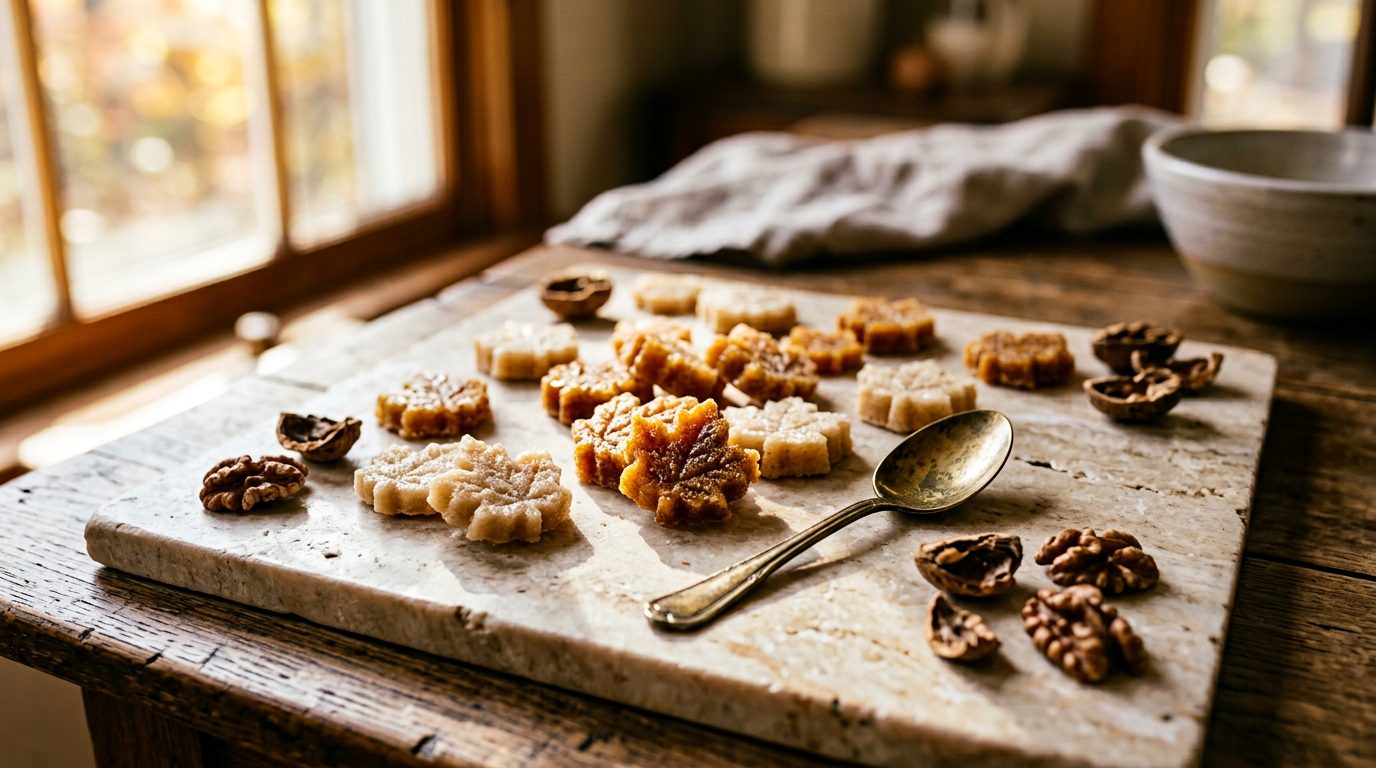
Handmade maple sugar leaf candies arranged on pale marble with walnut shells
Plate 01 — Maple sugar leaves, cream and deep gold Natural window light, no styling tricks

The Lookbook

Four house selections, examined closely

Each entry is written the way a confectioner would describe it across the counter: what the sugar does, how the batch behaves, and why the texture stays in memory long after the last piece. These are the old-fashioned candy styles that filled a penny candy counter, still made in small-batch kitchens along the New England coast.

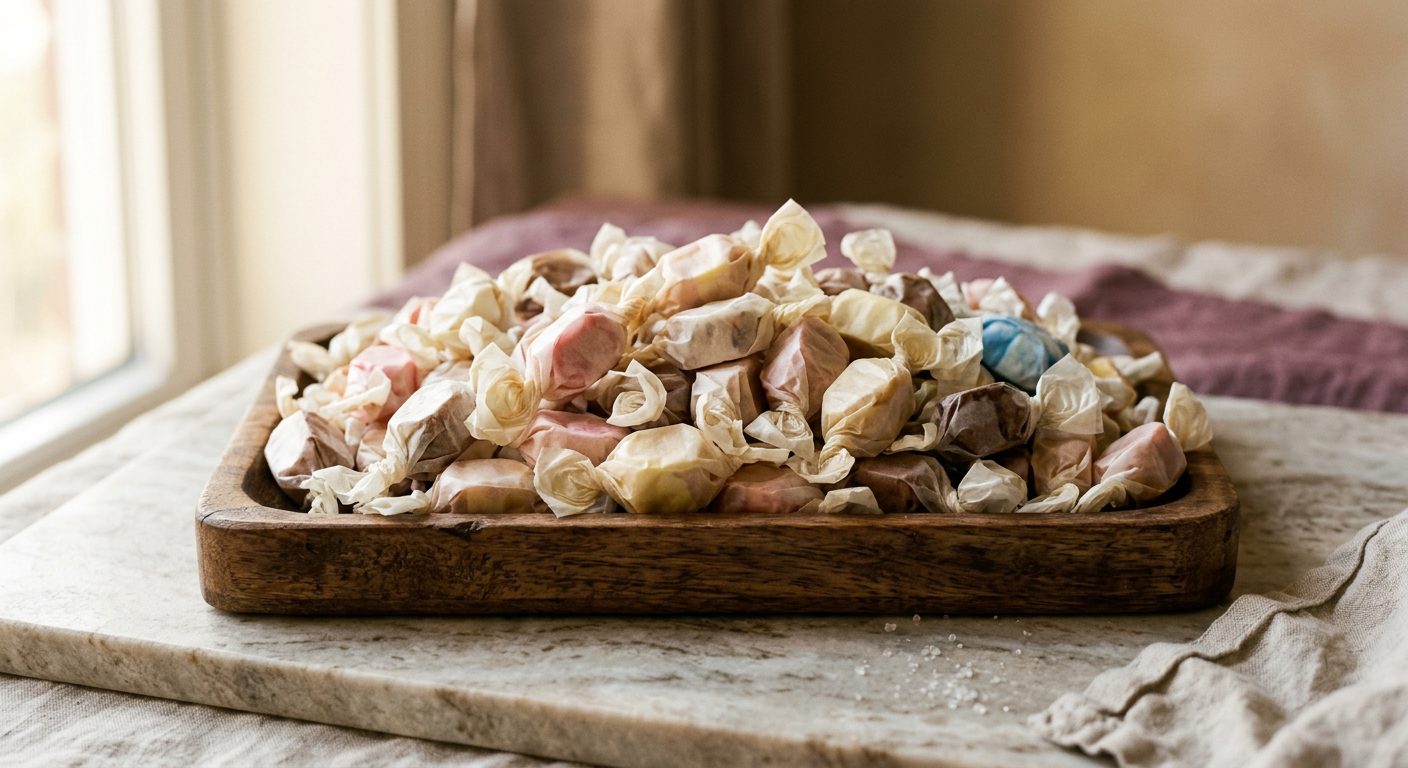
Salt water taffy twists in paper wrappers piled in a walnut tray
Batch TB-114 · pulled 19 minutes
Pulled & Chewy

Salt water taffy, pulled until it shines

The boardwalk classic earns its reputation through patience. Cooked to the soft-crack stage, cooled on oiled marble, then folded and stretched again and again until the ribbon turns opaque and glossy. Vanilla bean and a flake-salt finish keep it from cloying.

A good twist should resist your teeth for a moment before yielding. If it snaps clean like glass, the batch ran too hot.

  • Soft-crack stage
  • Gluten-free
  • Paper twist wrap
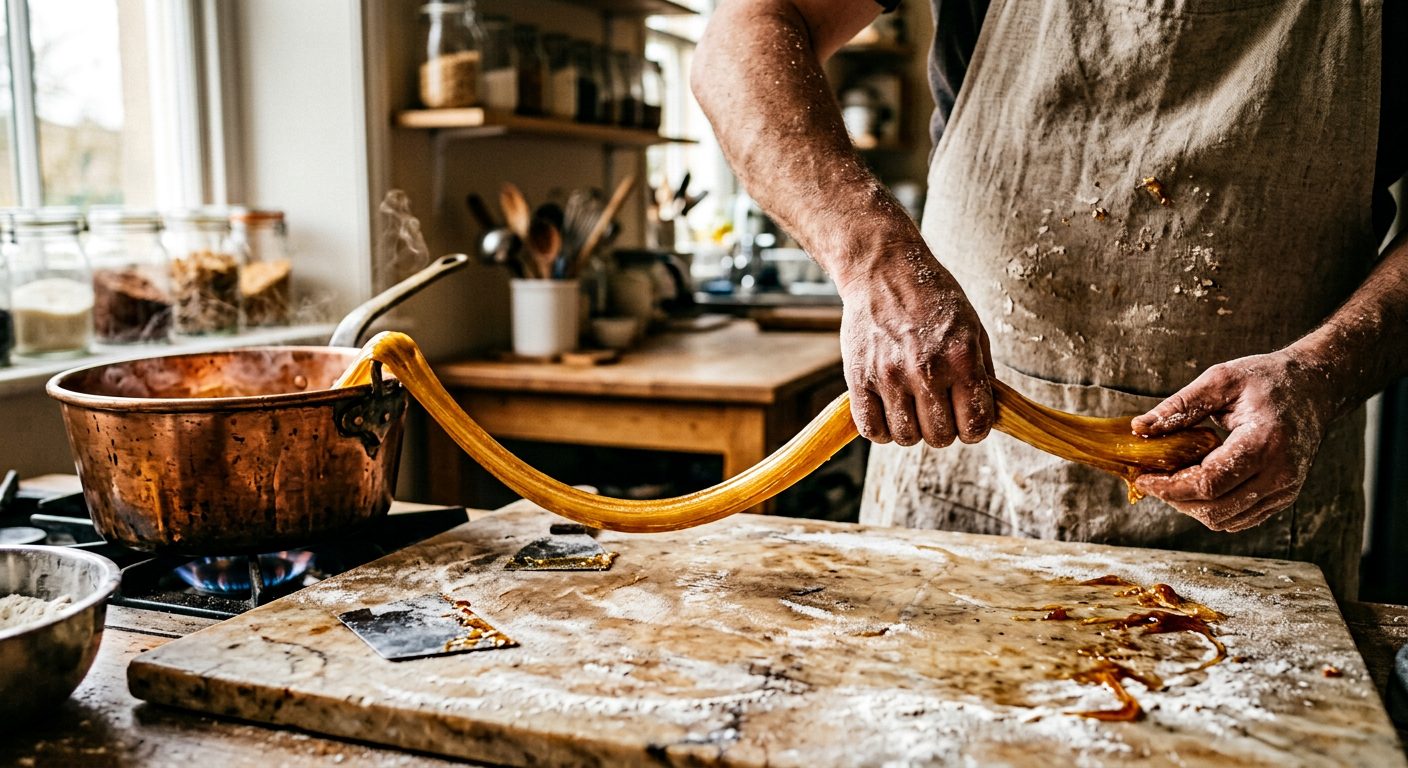
Confectioner pulling a glossy ribbon of caramel beside a copper kettle
Apprentice pull · caramel at 245°F
Bench Notes

Why the hands still matter

A copper kettle heats evenly and holds a temper, but the pull is judgment. The confectioner reads the ribbon by feel: too cool and it tears, too warm and it slumps. That calibration is the reason small-batch candy tastes different from a factory chew.

Two pounds at a time. No more than that, or the batch cools unevenly and pockets of sugar crystallise where nobody is watching.

  • Two-pound batches
  • Hand-folded
  • Marble cooled
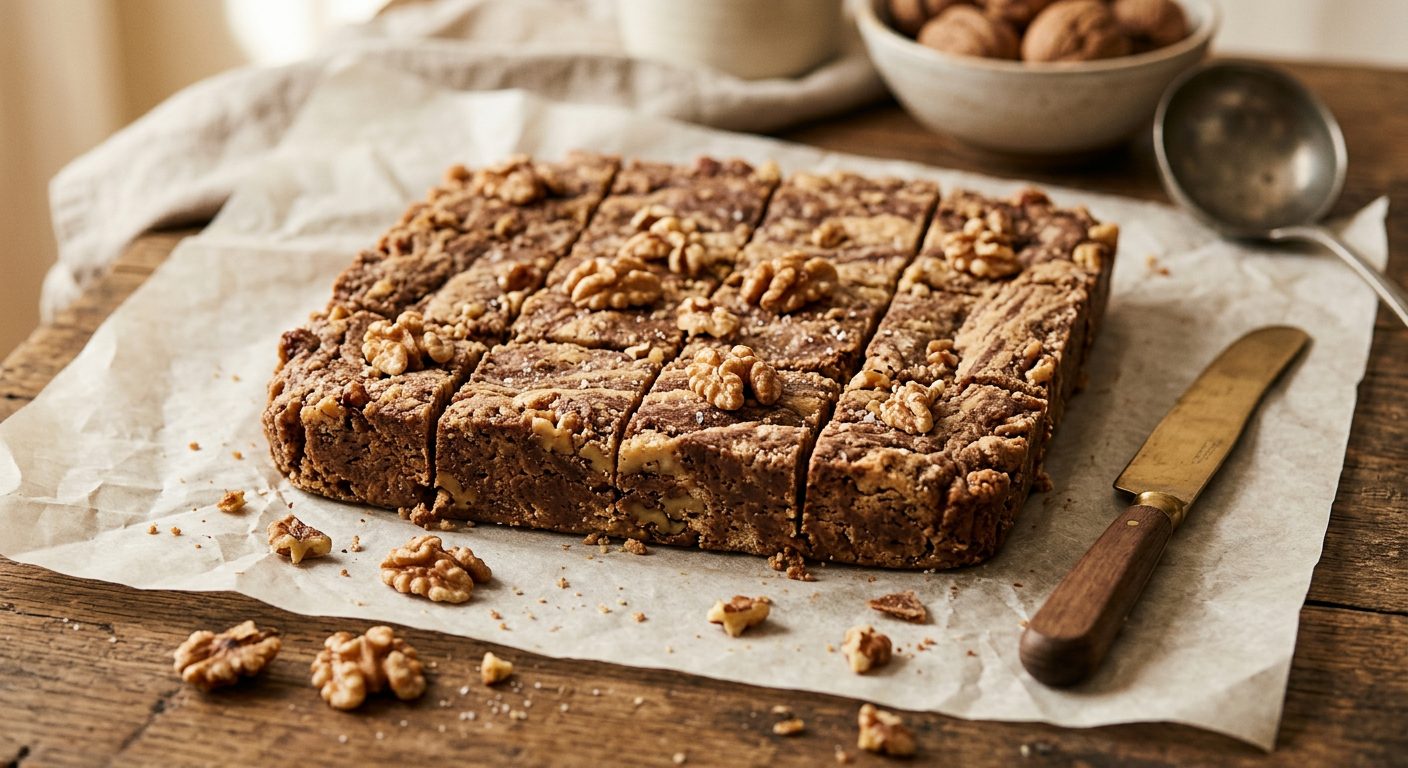
Hand-beaten maple walnut fudge scored into squares on parchment paper
Batch FW-902 · scored while warm
Sugar & Maple

Maple walnut fudge, beaten by hand

Vermont and Maine syrup boiled with cream, then beaten with a wooden paddle until the grain turns fine. Toasted walnuts go in at the last moment so they stay crisp instead of softening into the slab.

Scoring matters as much as cooking. Cut while warm and the squares break clean; wait too long and the surface cracks into shards.

  • Pure maple syrup
  • Hand-beaten grain
  • Toasted walnuts

“A piece of ribbon candy is a whole holiday afternoon in one fold — the kitchen warm, the window fogged, somebody watching the thermometer.”

Marguerite Bell · Co-founder, Bramble & Bell

The Cabinet

Sort the cabinet by candy family

Twelve catalogued styles, each with its own sugar stage, texture note and keeping habit. Choose a family to narrow the shelf, then read the specs at your own pace.

Showing all 12 catalogued entries

  • Pulled & Chewy

    Sea-Salt Vanilla Taffy

    Vanilla bean paste folded through a slow pull, finished with flake salt for a savory edge.

    Stage: soft-crack · Wrap: paper twist

  • Pulled & Chewy

    Cinnamon Bear Taffy

    Cassia and Ceylon cinnamon in a firm chew that warms slowly rather than burning sharp.

    Stage: soft-crack · Heat: moderate

  • Pulled & Chewy

    Golden Butter Chews

    Cultured butter and brown sugar carried to a deep amber, wrapped while still pliable.

    Stage: firm-ball · Butter: cultured

  • Hard & Old-Fashioned

    Mulberry Ribbon Candy

    Hand-folded stripes of cream and mulberry, glossy as glass and meant to be savored slowly.

    Stage: hard-crack · Fold: by hand

  • Hard & Old-Fashioned

    Molasses Horehound Drops

    Blackstrap molasses and horehound herb pressed into small discs with a bittersweet finish.

    Stage: hard-crack · Herb: horehound

  • Hard & Old-Fashioned

    Cranberry Cut Rock

    Tart cranberry reduction layered into a brittle rock, broken into irregular shards by hand.

    Stage: hard-crack · Cut: hand-broken

  • Hard & Old-Fashioned

    Wintergreen Lozenges

    A cool, clean wintergreen disc stamped with the house bell, a general store counter staple.

    Stage: hard-crack · Stamp: bell mark

  • Sugar & Maple

    Maple Sugar Leaves

    Pure syrup boiled to the sugar stage and pressed into leaf molds for a crumbly snap.

    Stage: sugar · Syrup: Grade A dark

  • Sugar & Maple

    Blueberry Sugar Plums

    Wild Maine blueberries rolled in fine cane sugar around a soft, jammy center.

    Stage: soft-ball · Fruit: wild Maine

  • Sugar & Maple

    Apple Cider Sugar Cakes

    Boiled cider reduced to a syrup and set into small cakes dusted with cinnamon sugar.

    Stage: thread · Cider: pressed local

  • Nut & Fudge

    Maple Walnut Fudge

    Hand-beaten fudge with toasted walnut halves, scored warm into thick, clean squares.

    Stage: soft-ball · Grain: fine

  • Nut & Fudge

    Walnut Brittle Shards

    Caramel brittle poured thin over toasted walnuts and shattered into irregular plates.

    Stage: hard-crack · Pour: thin sheet

Build a Custom Selection

Assemble a heritage candy selection

Choose a format, a candy family, an occasion and a finish note. The summary beside it updates as you go, and you can copy the whole note for your own records or to share with the workshop.

Format

How the candy is presented when it leaves the bench.

Candy family

The sugar work that leads the selection.

Occasion

What the selection is meant to sit beside.

Finish note

The last flavor the batch leaves behind.

Your selection summary

Format: Kraft twist pouch

Family: Pulled and chewy

Occasion: Everyday pantry

Finish: Classic and clean

A four-part note, matching the recommendation logic used across the directory rather than a shopping list.

Specification Ledger

House standards at a glance

The numbers a discerning buyer usually asks about first: sugar stages, batch weights, ingredient sourcing and keeping habits across the whole collection.

Batch weight
Two pounds of sugar work per pull, four per fudge slab, hand-wrapped the same day.
Kettle
Hammered copper, four-gallon capacity, tin-lined interior.
Sugar
Non-GMO domestic cane sugar; no corn syrup in pulled styles.
Dairy
New England cultured butter and heavy cream from small creameries.
Maple
Grade A dark syrup from Maine and Vermont sugarhouses.
Colors
Beet, annatto, spirulina and cocoa; no synthetic dyes.
Texture range
Thread to hard-crack, catalogued by stage on every card.
Keeping habit
Airtight tin, cool pantry, away from sunlight and strong spice.
Allergen note
Walnut and dairy styles share a bench with tree nut work.
Tasting window
Best within eight weeks for chews, sixteen for hard candy storage in a sealed tin.

Keeping Quality

How a batch is judged before it leaves the bench

Four checks stand between a finished kettle and the paper twist. They are old habits, not a marketing layer.

  1. Check One

    Read the sugar stage

    A thermometer sets the target; a spoon of syrup dropped in cold water confirms it. Chews leave at soft-crack, drops at hard-crack.

  2. Check Two

    Watch the grain

    Fine grain means a smooth bite. Any grit on the slab signals crystallisation, and the batch is reworked rather than hidden.

  3. Check Three

    Weigh and wrap warm

    Paper twists go on while the candy still gives slightly, so the wrapper seals to the surface and keeps the chew tender.

  4. Check Four

    Taste the next morning

    Texture settles overnight. A piece tasted at dawn tells the truth about the batch far better than one taken off the slab.

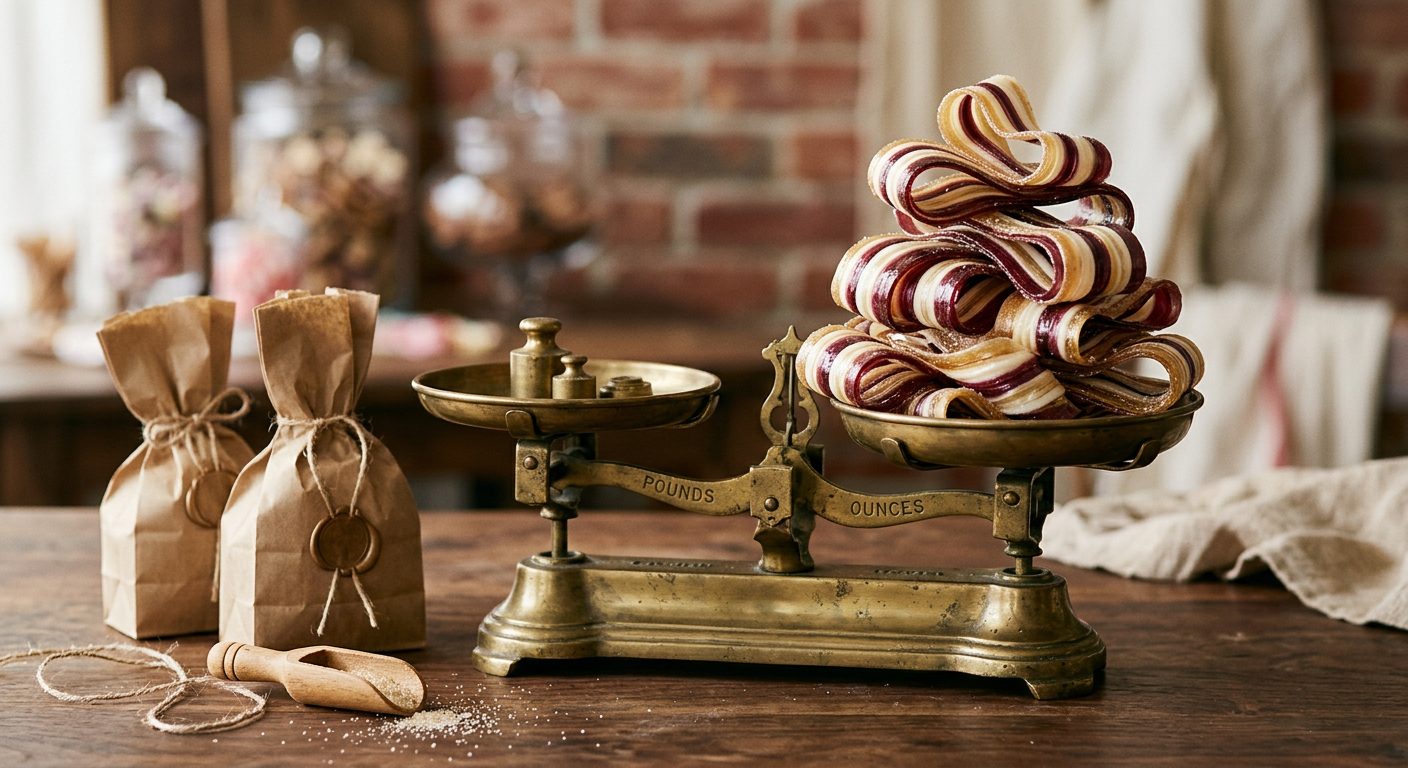
Hand-folded striped ribbon candy stacked on an antique brass candy scale
The brass scale, in service since 1948

A heritage counter, kept in working order

The scale, the marble slab and two copper kettles came from a Portland confectioner who closed his general store counter in 1979. Restored tools keep a workshop honest: they cannot be sped up, and they refuse to hide a careless batch. The result is a shelf of heritage confections that reads like a gift tin from another decade.

The full method, storage notes and serving guidance live in the quality and care guide.

Questions at the Counter

What visitors ask most often

What makes hand-pulled taffy different from machine-made chews?
Pulling folds air into the ribbon, so the candy turns glossy, tender and slow to dissolve. A confectioner works the batch in repeated folds until the texture turns satiny, which no extruding line reproduces.
How should old-fashioned hard candy be stored at home?
Cool, dry and sealed away from sunlight. Airtight tins at room temperature hold texture for months, while refrigeration invites condensation that dulls the surface and softens the snap.
Are these candies made with natural colors and flavors?
Batches here rely on cane sugar, butter, cream, maple syrup, fruit reductions and spice infusions. Colors come from beet, annatto, spirulina and cocoa, so shades read softer than dyed commercial candy.
Which heritage candies suit a grown-up palate best?
Look for horehound, molasses, burnt sugar and salted caramel styles. Their bitterness and depth reward slow tasting, and they pair well with strong coffee, black tea or an after-dinner brandy.